
 Member login
Council sets priorities for a more resilient and circular Europe
On 16 December, EU environment ministers adopted Council conclusions outlining priorities for building a more climate-resilient and circular Europe by 2030.
On 16 December, EU environment ministers adopted Council conclusions outlining priorities for building a more climate-resilient and circular Europe by 2030.
The document responds to the European Environment Agency’s 2025 assessment and the Commission’s mid-term review of the 8th Environment Action Programme (EAP).
Both of which concluded that current efforts remain insufficient to meet the EU’s 2030 priority objectives of the 8th EAP.
The Council explicitly acknowledges gaps in progress, particularly in climate adaptation, biodiversity protection and the transition to a circular economy.
It calls for faster and more effective implementation of existing legislation, alongside broader changes across sectors to reduce environmental risks and strengthen long-term economic resilience.
On circularity, the conclusions provide political backing for the European Commission’s forthcoming Circular Economy Act, calling for a more coherent framework to support secondary raw material markets, and improve product design, durability and reuse.
The Council also highlights the importance of effective market surveillance, implementation of the ESPR and the phase-out of harmful substances under REACH.
In addition, it encourages the use of pricing mechanisms to help address the competitiveness gap between circular and linear business models.
At the informal meeting of environment ministers scheduled for 5-6 February, Member States are expected to exchange views on the Commission’s recent package of measures aimed at supporting the plastics recycling sector.
Ministers will be invited to identify priority measures and assess whether additional action is needed.
The new Cypriot Presidency, which took office on 1 January, is expected to focus on trade defence and market surveillance tools.
Its aim is to ensure imported plastics comply with EU recycled content standards, as well as on investment support, including the proposed pilot for cross-border cooperation through transregional circularity hubs.
News & Events
Latest news and events
It is not only about recycling processes and compliance, it is also about networking. ERP shares knowledge, insights, and news so that together we can promote the sustainable agenda.

News, Packaging
October 15th, 2026
This webinar provides an introduction to the EU Packaging and Packaging Waste Regulation (PPWR), explaining what businesses need to know,
News, Textiles
October 12th, 2026
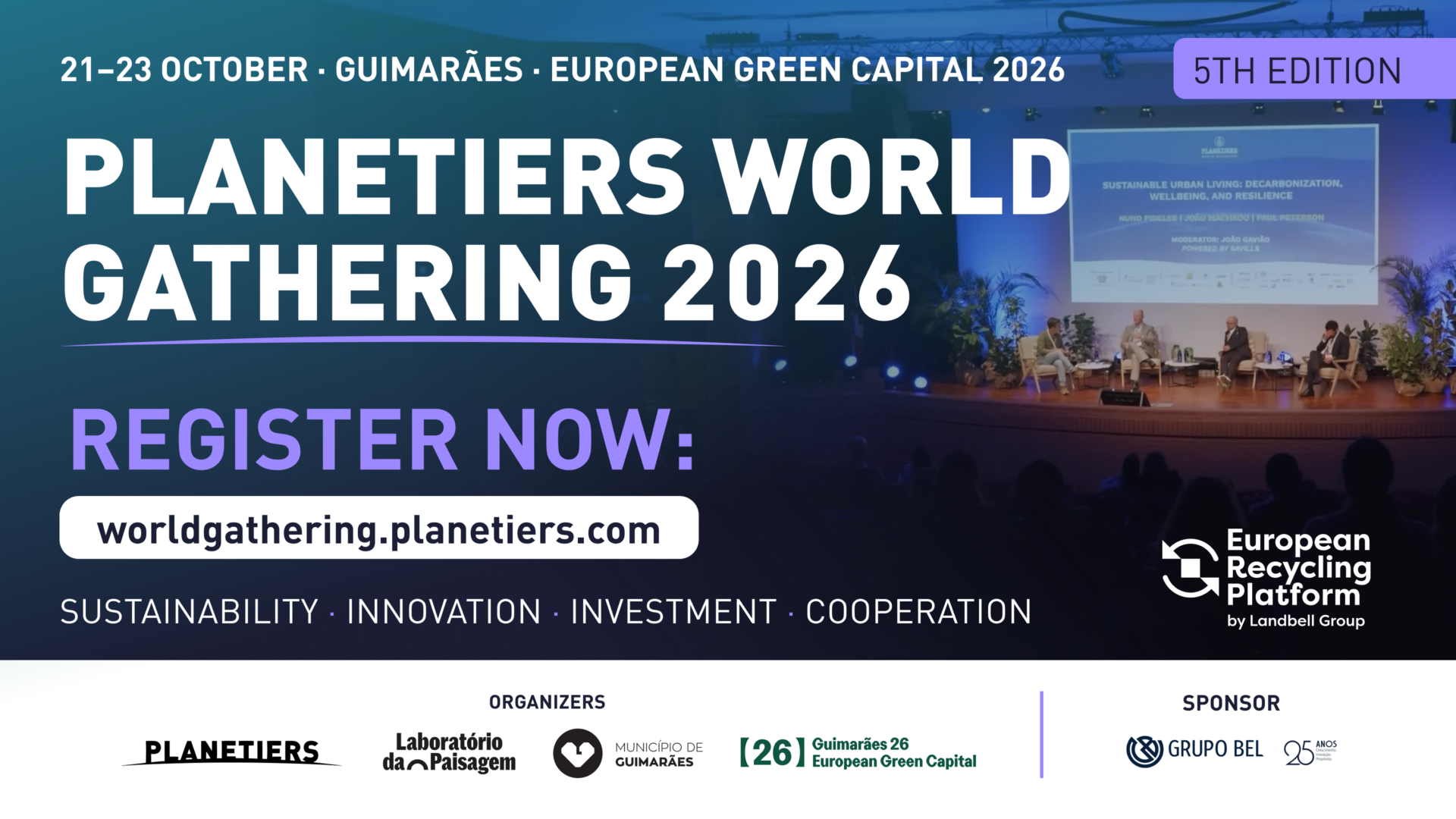
From 21-23 October 2026, sustainability leaders, innovators, investors and policymakers will gather in Guimarães, Portugal, for the fifth edition of
News, Textiles
October 12th, 2026
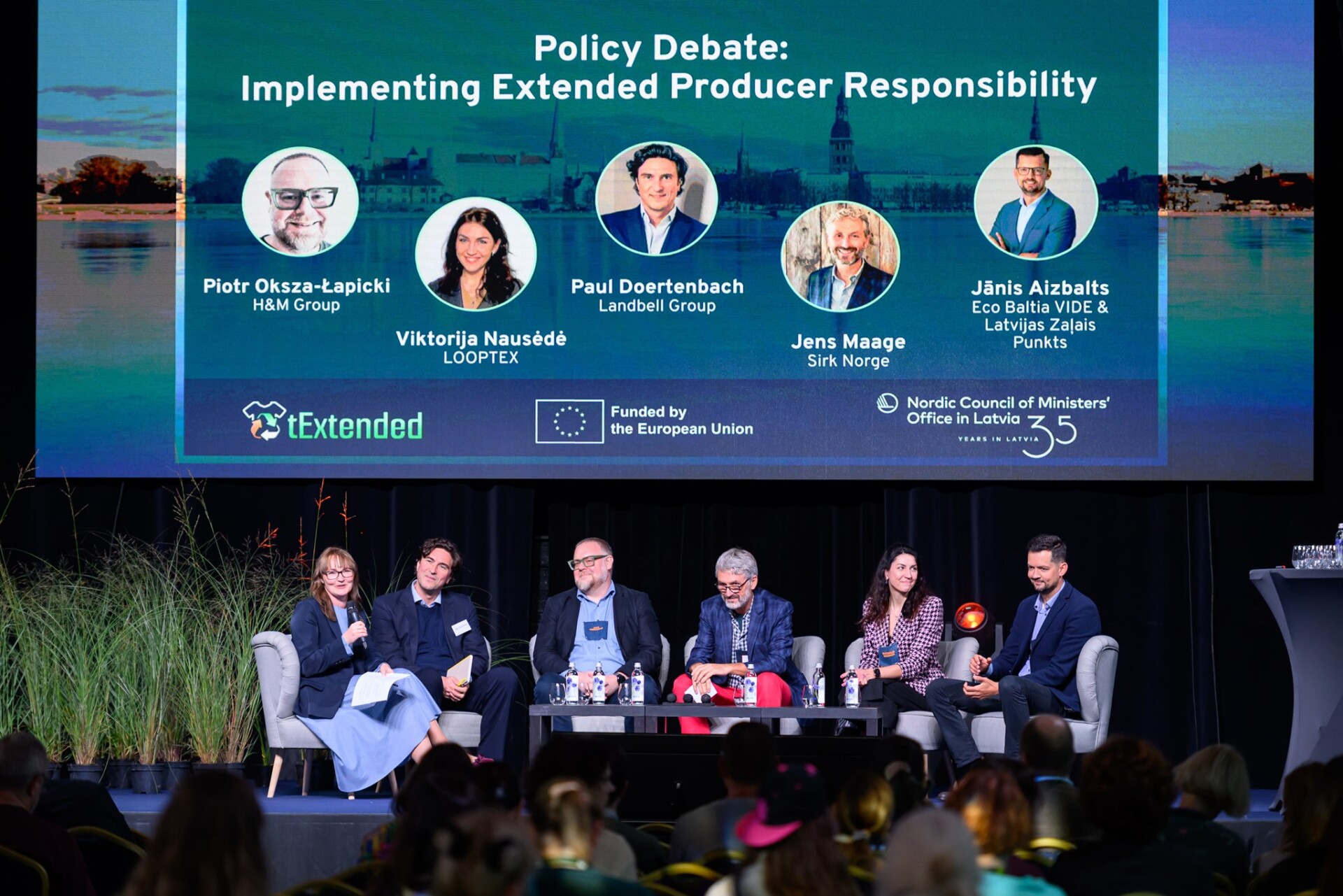
Last week, our colleagues Paul Doertenbach and Kerli Kant Hvass participated in the Nordic-Baltic Textile Circularity Forum 2026 in Riga,


