
 Member login
Textiles
Why Textile EPR matters now?
The EU Strategy for Sustainable and Circular Textiles is reshaping the fashion and textile industry. The European Union’s update to the Waste Framework Directive (WFD) introduces a bold Extended Producer Responsibility (EPR) framework that places producers at the heart of the circular economy, making brands and manufacturers accountable for the environmental impact of their products from design through to end of life.
Member states were required to establish separate textile collection systems from 1 January 2025.
On 18 February 2025, the European Parliament and the Council of the EU reached a provisional agreement on new measures to strengthen textile waste management further.
Are you EPR Textiles ready?
We are here to help you!
Learn more about the global context and see how our PROs can support you across several countries, namely:
Textiles EPR Compliance is now part of Producer Obligations
Strategies for sustainable and circular textiles are reshaping the fashion industry. A comprehensive policy framework introduces a wide range of legislation impacting every stage of a product’s life cycle — from design and production to reuse, recycling, and end-of-life management.
A key aspect is Extended Producer Responsibility (EPR), which makes fashion brands and producers accountable for the environmental impact of their products. But EPR is just one piece of the puzzle. Interconnected regulations like upcoming eco-design and digital product passport requirements mean that brands must now take a holistic, circular approach to compliance and design.
As a Producer Responsibility Organisation (PRO), we are developing integrated solutions to help brands navigate these new obligations efficiently and effectively.
We understand the complexity and the opportunity that comes with this legislative shift.
Your trusted Partner
The European Recycling Platform, combined with our global presence in markets, offers unmatched cross-border expertise in textile recycling and EPR solutions. Our participation in leading industry bodies, such as the PRO Forum by Euratex, and other strategic partnerships enables us to stay ahead of regulatory trends and best practices. With a broad geographic reach and deep knowledge of evolving textile regulations, we provide strategic insights and practical solutions that help our partners navigate new challenges with confidence.
Choosing to collaborate with us means partnering with a leader dedicated to both compliance and sustainability.
Europe
Facts & Figures
EPR
Extended Producer Responsibilities for Textiles
Extended Producer Responsibility (EPR) for textiles is not just another compliance box to check; it is a strategic opportunity to lead the sustainability movement and future-proof the businesses of textile producers.
Textile consumption and production have experienced an evident increase, and it is necessary to have governing control over this. The government’s initiative introduces a bold EPR framework designed to tackle this head-on.
This updated legislation places producers at the heart of the circular economy, empowering businesses like yours to turn environmental challenges into a competitive advantage by rethinking waste, closing loops, and shaping a more sustainable textile future.
Across Europe, producers are already transforming how textiles are managed – from smarter design and material choices to advanced sorting and recycling systems. This shift not only ensures compliance with EPR legislation but also drives innovation and sustainability across the entire value chain.
obligations
Your obligations under EPR
As a textile producer or distributor operating in the EU, whether selling to businesses (B2B/B2C) or via online platforms, you must meet specific obligations under Textile EPR.
Stay informed with our concise summary of responsibilities covering the mandatory Extended Producer Responsibility (EPR) for textiles.

Waste Management Costs
Cover expenses related to nation-wide collecting, sorting and recycling textile waste.

Producer Responsibility Organisation (PRO)
Register with a recognised PRO to manage your EPR compliance.

Data Tracking
Implement systems to track production, sales and end-of-life textile management.

Consumer Communication
Clearly inform consumers about proper disposal and recycling options for textiles.
producer OBLIGATIONS
Who is impacted by EPR obligations?
EPR Textiles legislation applies to:

Manufacturers
Companies that make textile products within a member state. Manufacturers of textile products outside the Member state, including online suppliers, who sell directly to end users in the Member state.

Importers
Companies that are established in Norway and on a professional basis import textiles and make them available on the Norwegian market for the first time.

Retailers
Entities who directly buy clothing and home textiles from foreign sources also take on these responsibilities.

Our solutions to meet your obligations:
Registration with EPR
As a company selling, importing or producing textile products in the EU, you must register with a Producer Responsibility Organisation (PRO) to transfer your EPR obligations.

Reporting
Ensure compliance with the reporting frequency and format required by the EPR scheme in the operating EU states.

Compliance Administration
Ensure ongoing adherence to EPR rules and financial contributions calculated by us based on the textiles placed on the market.

Consumer Awareness and Communication
Provide information about disposal and recycling options, and encourage responsible textile disposal by educating consumers.
Continuous Monitoring and Compliance Audits
Evaluate the program effectiveness and continuously improve/adapt business practices to align with the new EPR requirement and sustainability.
Textiles compliance made simple with European Recycling Platform
ERP facilitates a closed-loop approach to textile recycling. These are the steps of the end-of-life textile management:
- Collection: Used textiles are gathered through approved collection points, ensuring they are diverted from landfills and prepared for responsible processing.
- Sorting: Textiles are sorted based on material type, quality, and condition. This is crucial to determine what can be reused, recycled or sent for energy recovery.
- Reuse: Items that are still in good condition are prepared for second-hand use, supporting the circular economy by extending the life of the garments.
- Recycling: Non-reusable textiles are processed into raw materials (e.g. fibres, insulation) to be used in new products. ERP works with certified facilities that apply innovative recycling technology.
- Manufacture of product: Recycled materials are introduced into manufacturing chains, supporting sustainable production and reducing reliance on virgin resources.
- Consumers: Products made with recycled content re-enter the market, completing the circular process and contributing to resource efficiency.
This process is supported by the EPR fees paid by textile producers and sellers, ensuring that the textile life cycle is in line with the EPR regulations.
Global Expertise
Overseeing numerous approved EPR programs globally, Landbell Group offers unparalleled expertise and support.
Integrated Solutions
Comprehensive operational assistance for textile collection, sorting, reuse, and recycling.
Personalized consultation
Schedule a personalised consultation to navigate your compliance journey effortlessly.
EU Commission Vision for 2030
All textile products placed on the EU market, including Norway, are:
- Recyclable
- Repairable
- Durable
- To great extent made of Recycled Fibres
- Free of hazardous substances
- Produced in respect of social rights and environment

Timeline and Key Milestones
Prepare effectively for upcoming changes by clearly understanding timelines and expectations in Norway:
July 2023: Proposal to revise Waste Framework Directive (including textile EPR)
2025: Separate collection of textiles applies under Waste Framework Directive baseline
Cost coverage for existing national schemes starts (16 Oct 2025)
January 1, 2025: municipalities are mandated to ensure that textile waste is collected separately from households
October 2025: publication of a draft of textile EPR regulations on the authority’s website
2027: Transportation deadline (17 Jun 2027)
National registers established
2028: Full EPR implementation (17 Apr 2028)
Online-platform obligations take effect
First operational reporting cycle begins
2029: Inclusion of micro-enterprises (17 Apr 2029)
2030 Onwards: Commission review (by 31 Dec 2029)
Possible proposal of new measures or targets
Latest Textiles news
News, Textiles
October 12th, 2026
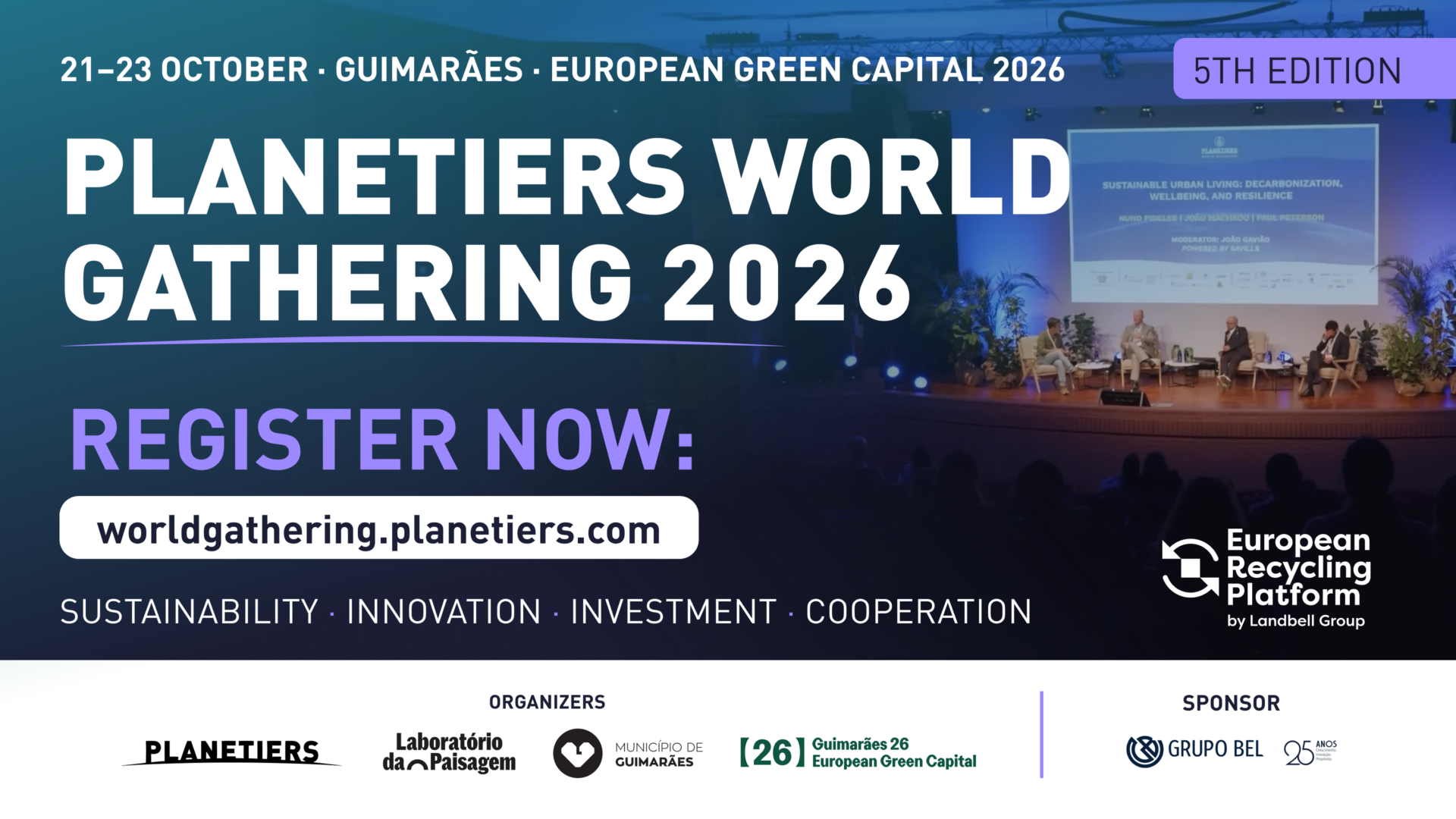
From 21-23 October 2026, sustainability leaders, innovators, investors and policymakers will gather in Guimarães, Portugal, for the fifth edition of
News, Textiles
October 12th, 2026
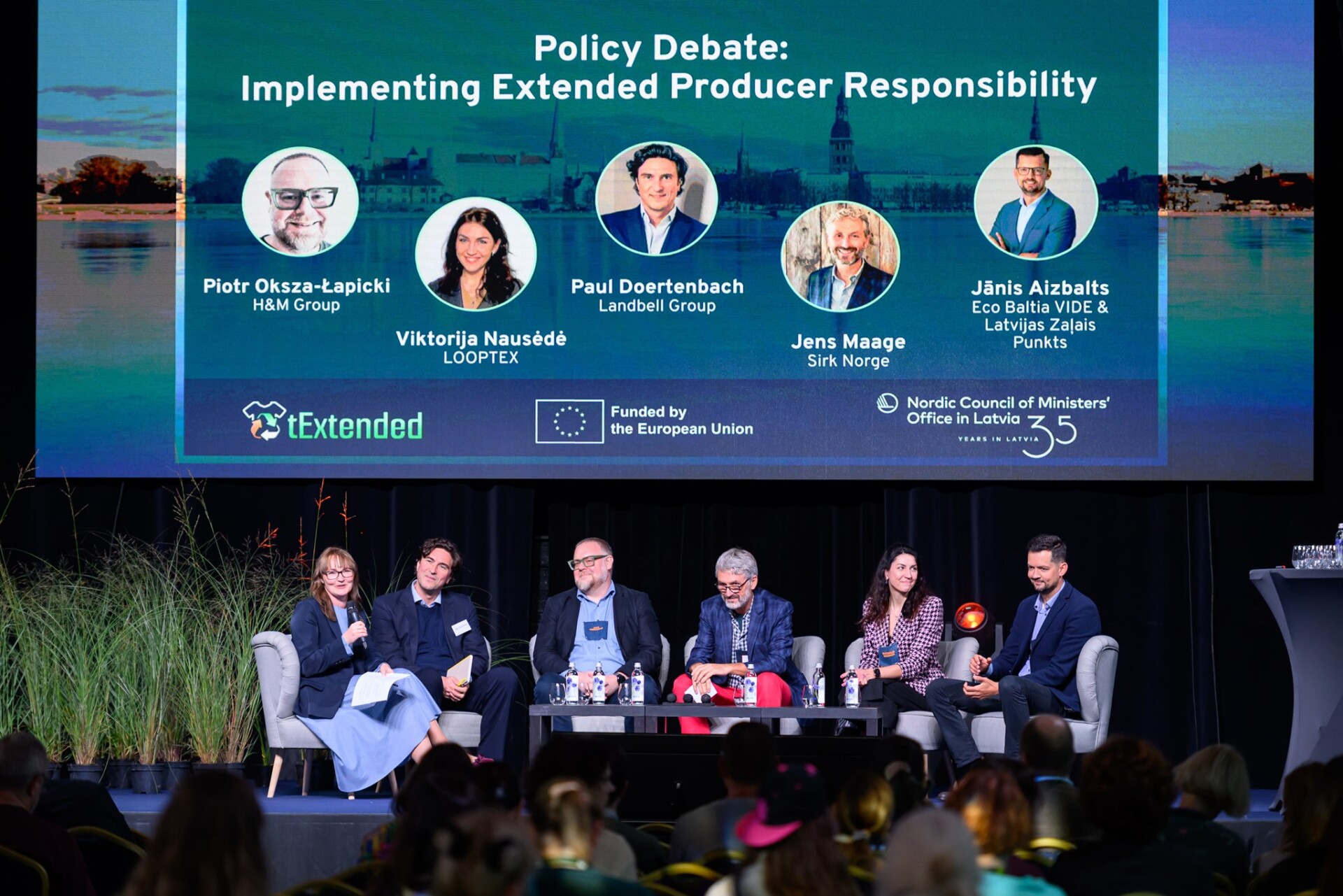
Last week, our colleagues Paul Doertenbach and Kerli Kant Hvass participated in the Nordic-Baltic Textile Circularity Forum 2026 in Riga,
News
October 1st, 2026
On 27 March, the Federal Environment Ministry (BMUKN) released a policy framework paper (“Eckpunktepapier”) setting out the Ministry’s proposed approach


