
 Member login
EU Parliament Adopts New Rules on Textile Waste
Producers to cover costs of collecting, sorting and recycling waste textiles
Each European generates 12 kg of clothing and footwear waste per year
EU Parliament Adopts New Rules on Textile Waste – What Producers Need to Know
- Producers to cover costs of collecting, sorting and recycling waste textiles
- Each European generates 12 kg of clothing and footwear waste per year
On 5 September 2025, the European Parliament adopted new rules designed to tackle textile waste and strengthen circular economy practices across the EU. The legislation introduces new responsibilities for producers, with Extended Producer Responsibility (EPR) schemes for textiles at its core.
What are the key highlights?
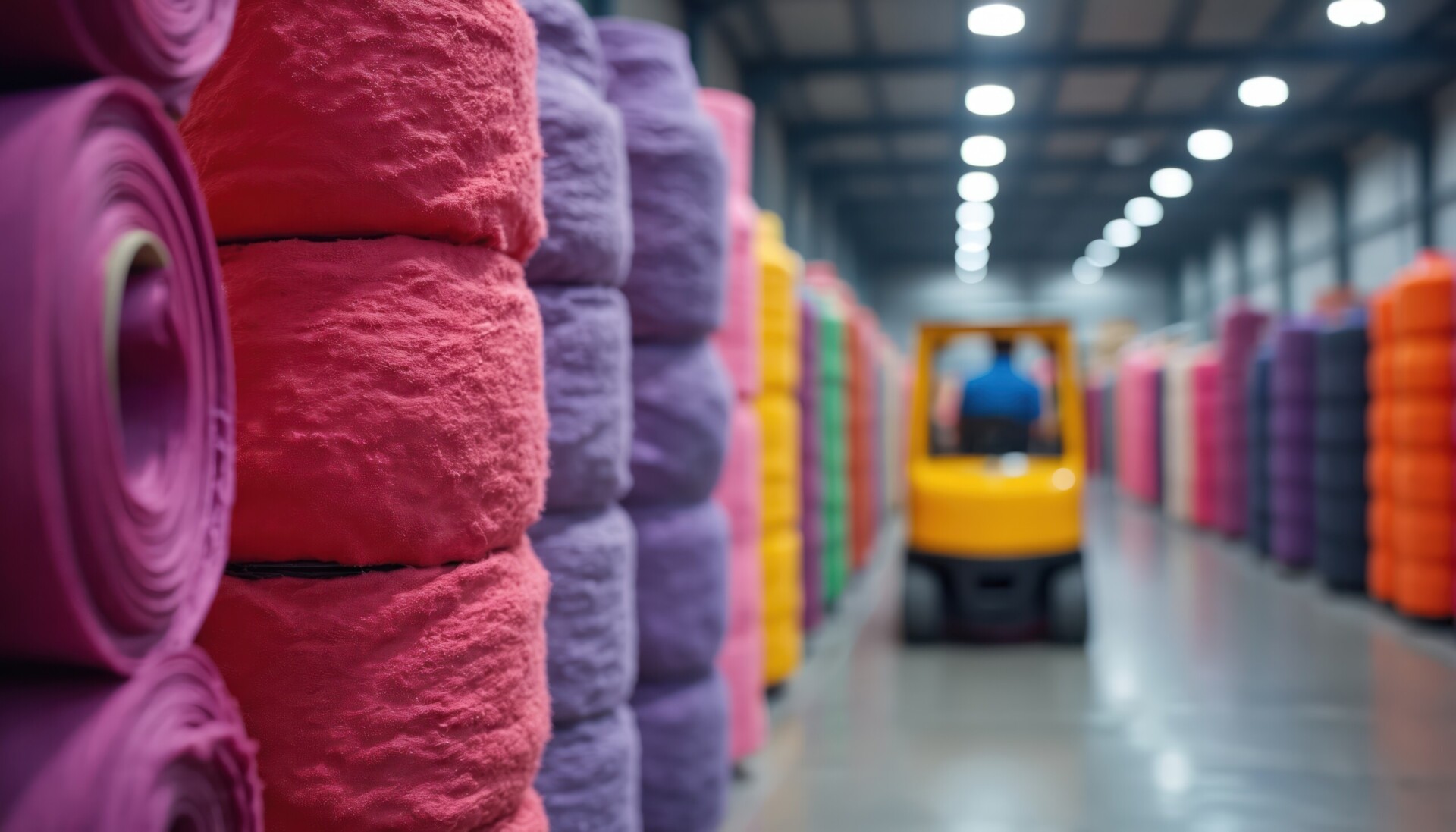
Extended Producer Responsibility for Textiles Producers making textiles available on the EU market will be required to cover the costs of collection, sorting, and recycling of textile waste. This applies to all producers – including those selling online and operating outside the EU.
Wide Scope of Products The rules cover a broad range of textiles, including:
- Clothing and accessories
- Hats and footwear
- Blankets and bed/kitchen linen
- Curtains and other home textiles
And Member States may also decide to include mattresses within their national schemes.
Micro-Enterprise Provisions Smaller businesses are given more time: while EPR schemes will apply to most producers within 30 months of the directive entering into force, micro-enterprises will benefit from an additional year before obligations take effect.
Fast and Ultra-Fast Fashion The legislation highlights the environmental impact of fast fashion. When setting financial contributions under the EPR schemes, Member States should consider business models that address rapid overconsumption and waste.
Timeline for Implementation Once formally signed and published in the Official Journal, the directive will enter into force and the EU Member States will then have 20 months to transpose the rules into national law. Producers will need to comply with EPR obligations within 30 months, with micro-enterprises granted a one-year extension.
What This Means for Producers The adoption of these rules marks a significant step in how the EU addresses textile waste. Producers – whether manufacturing, importing, or selling online into the EU – will soon need to plan for:
- Financial contributions to EPR schemes covering textile collection and recycling;
- Adjustments in supply chains and product design to align with circularity goals;
- Increased scrutiny of fast-fashion business models.
Click here to read the European Parliament press release.
News & Events
Latest news and events
It is not only about recycling processes and compliance, it is also about networking. ERP shares knowledge, insights, and news so that together we can promote the sustainable agenda.
News
August 21st, 2026
ERP UK has joined the UK Textiles Pact, supporting circular textiles, sustainability goals and the future development of textile EPR

News
August 7th, 2026
The EU-wide restriction on microplastics, which entered into force in October 2023, bans the intentional use of microplastics in products
News
August 7th, 2026
The Council has published its “negotiating box“ for the EU’s next budget, the Multiannual Financial Framework (MFF), covering the period from 2028


