
 Member login
EU Deforestation Regulation: revision and key changes to apply in December 2026
The EUDR requires companies to ensure that seven major commodities (cattle, cocoa, coffee, palm oil, soy, rubber, and timber) and their derived products are deforestation-free, legally produced, and fully traceable through geolocation points.
On 4 December 2025, the Council of the EU and the European Parliament reached a provisional agreement on a targeted revision of the EUDR (EU Deforestation Regulation).
The EUDR requires companies to ensure that seven major commodities (cattle, cocoa, coffee, palm oil, soy, rubber, and timber) and their derived products are deforestation-free, legally produced, and fully traceable through geolocation points.
This update marks one of the most significant shifts since the regulation's adoption, offering clarity on timelines, obligations, and compliance expectations for companies placing deforestation-free products on the EU market.
The updated EUDR compliance deadline for medium and large operators is 30 December 2026.
The new EUDR revision would also focus on simplification, risk-based enforcement, and administrative efficiency, which were proposed in the Targeted Simplification Package by the EU Commission.
Read H2 Compliance's article that summarises the key changes, outlines the practical implications for supply chain actors, and highlights what operators should prioritise as they prepare for EUDR compliance.
News & Events
Latest news and events
It is not only about recycling processes and compliance, it is also about networking. ERP shares knowledge, insights, and news so that together we can promote the sustainable agenda.

News, Packaging
October 15th, 2026
This webinar provides an introduction to the EU Packaging and Packaging Waste Regulation (PPWR), explaining what businesses need to know,
News, Textiles
October 12th, 2026
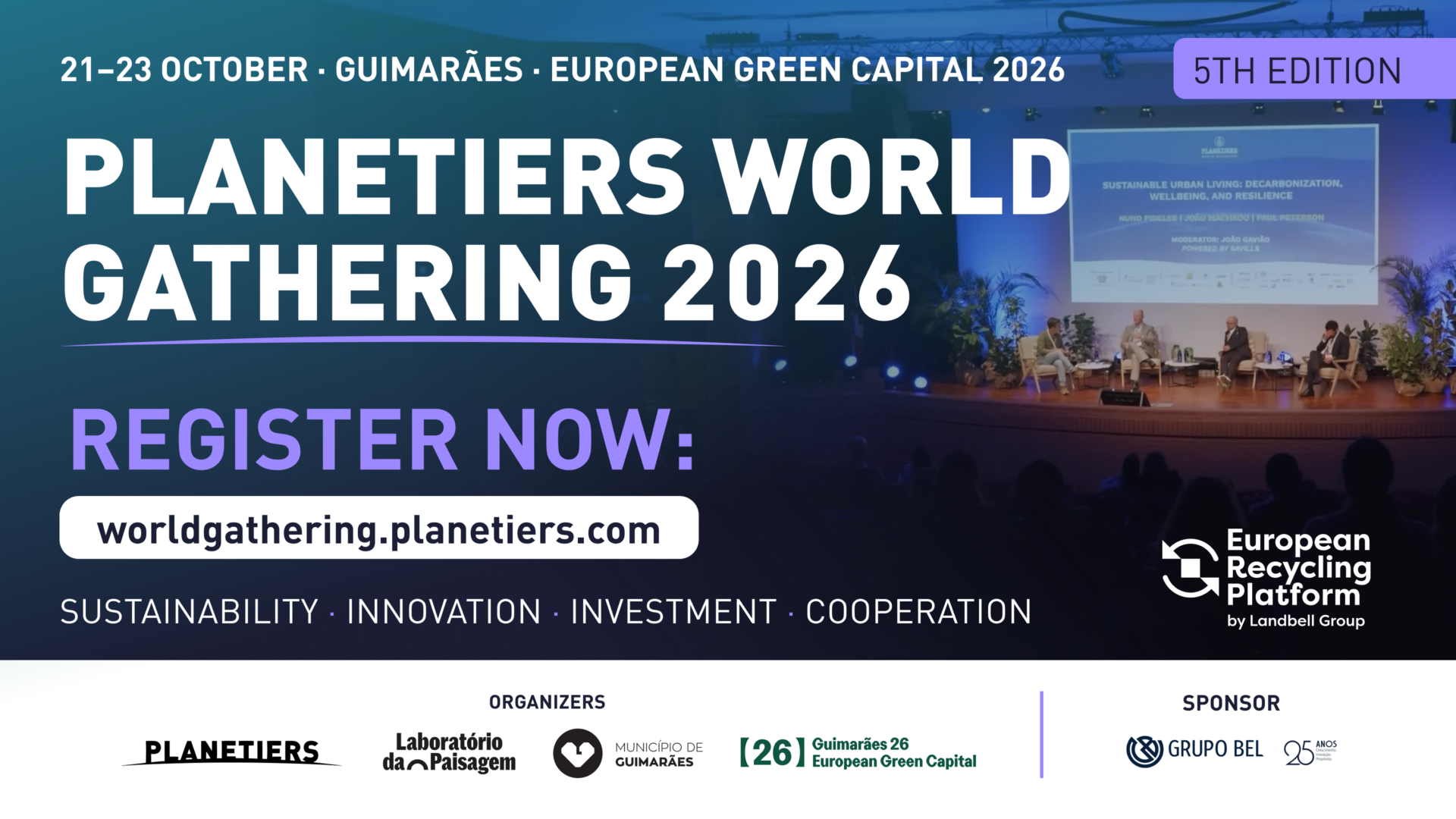
From 21-23 October 2026, sustainability leaders, innovators, investors and policymakers will gather in Guimarães, Portugal, for the fifth edition of
News, Textiles
October 12th, 2026
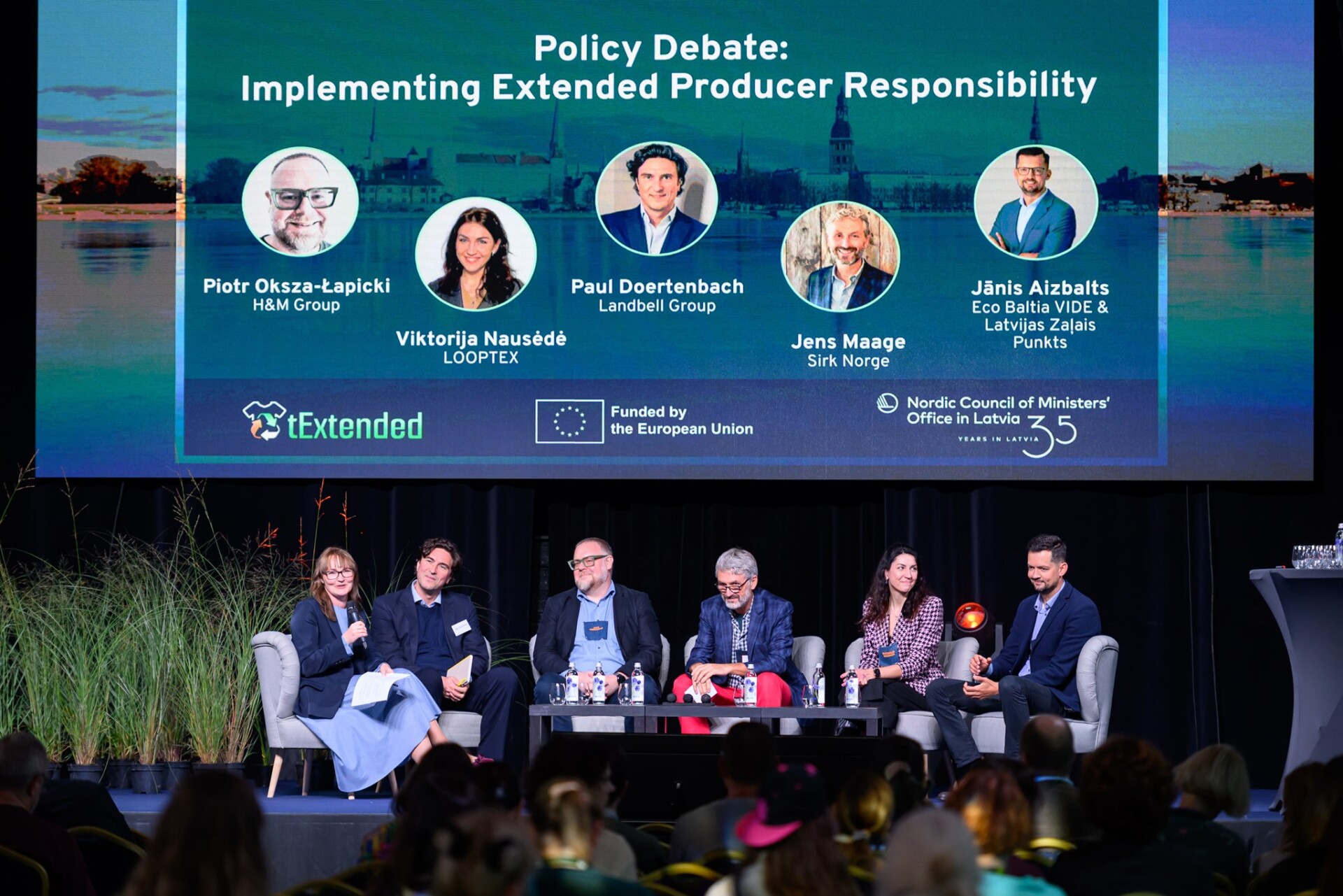
Last week, our colleagues Paul Doertenbach and Kerli Kant Hvass participated in the Nordic-Baltic Textile Circularity Forum 2026 in Riga,


