
 Member login
Grey Container
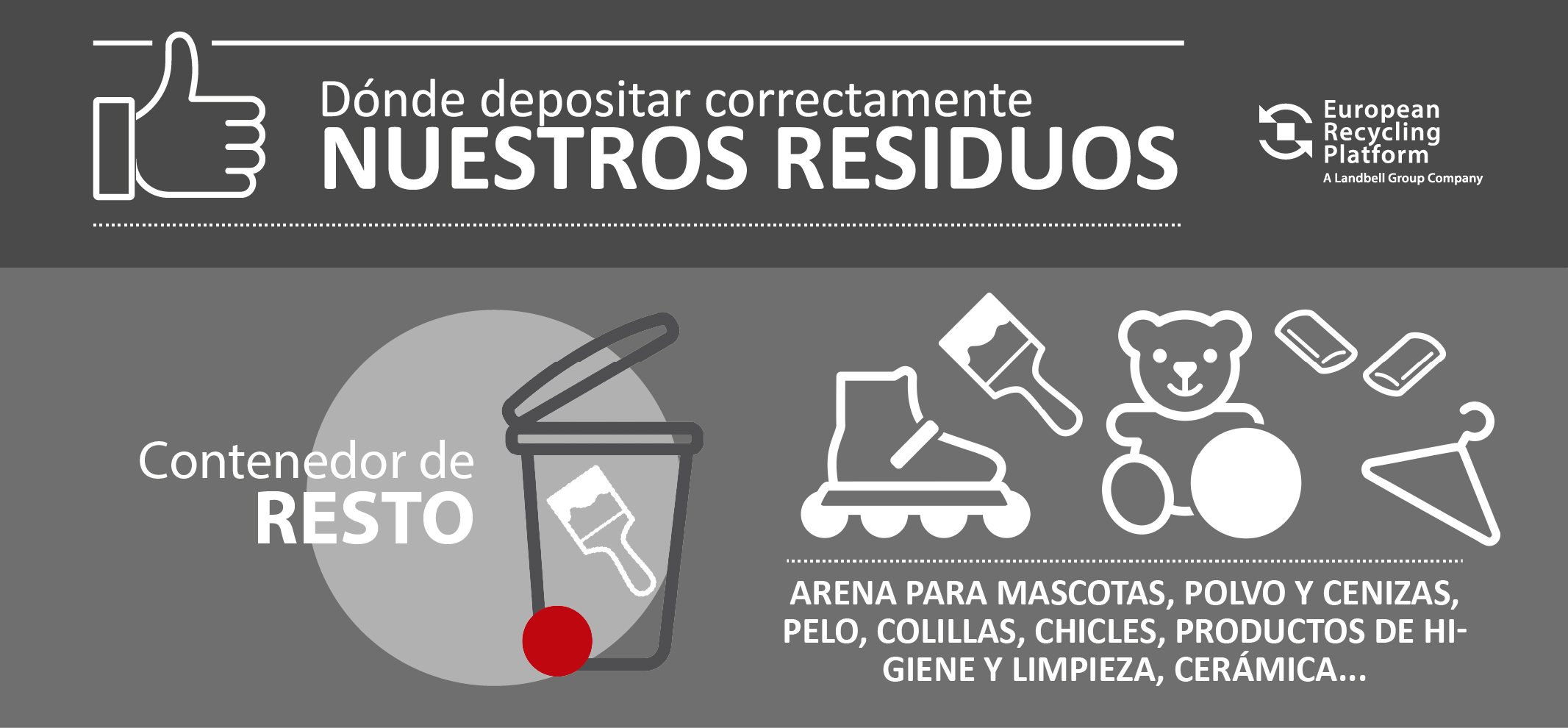
The grey container is the last resort for waste that doesn’t belong in any of the other recycling bins. While properly separating waste is the best way to reduce environmental impact, some materials cannot be recovered and must be disposed of in this container.
What waste goes in the grey container?
This container is meant for waste that cannot be recycled or reused in any way:
-
Personal hygiene products
-
Cigarette butts and ashes
-
Dust and sweeping debris
-
Kitchen utensils
-
Used sponges and scouring pads: often made of mixed, non-recyclable materials
-
CDs, DVDs, and VHS tapes: if you can’t donate or reuse them, this is their place
-
Broken toys
How can we reduce the waste we generate?
The grey container should be the least used if we recycle properly and apply waste reduction habits.
What should not go in the grey container?
The grey bin should not become a “catch-all” for any type of waste. Some materials have a specific destination and should never be placed here:
-
Food scraps and organic waste: Brown container
-
Batteries and button cells: Bring them to clean points or collection boxes in supermarkets and electronics stores
-
Electronic devices and appliances: WEEE (Waste Electrical and Electronic Equipment) must be taken to a recycling center
-
Furniture and bulky items: Many municipalities offer free pickup or designated drop-off points
-
Expired medications: Take them to your nearest pharmacy’s SIGRE point
Tips to reduce waste:
-
Buy in bulk: Avoid unnecessary packaging
-
Reduce single-use products: Choose reusable alternatives like cloth bags, stainless steel bottles, and reusable cutlery
-
Reuse whenever possible: Before throwing something away, consider if it can have a second life
-
Compost organic waste: If your town offers a brown bin, use it properly
-
Learn about specialized recycling programs: Such as coffee pod collection, used clothing, and electronics recycling
What happens to waste in the grey container?
Waste thrown in the grey container often ends up in landfills or incinerators. In some cities, it is sent to waste treatment facilities where recyclable materials may be recovered before final disposal. However, the less we use this container, the better it is for the environment.
It’s important to note that many items ending up in the grey bin could have been recycled or reused, so correct separation at home is essential.
The grey container is the final destination for non-recyclable waste, but the less we rely on it, the less waste ends up in landfills or sanitary dumps.


