Member login
WEEE Compliance: Hidden Product Categories in Scope
Earlier this year, ERP UK published a WEEE compliance blog asking a question that more brands should be asking themselves: do WEEE laws apply to FastTech products?
Earlier this year, ERP UK published a WEEE compliance blog asking a question that more brands should be asking themselves: do WEEE laws apply to FastTech products?
In this blog we expand on that conversation. Across consumer markets, a growing number of product categories are quietly pulling brands into producer status under the Waste Electrical and Electronic Equipment (WEEE) Regulations, often without those brands realising it. From PetTech and BeautyTech to smart garden equipment and connected kitchen products, many businesses may already have WEEE compliance obligations without knowing it.
The timing matters. International E-Waste Day 2026, organised by the WEEE Forum and taking place on 14 October 2026, marks its ninth edition. It’s interesting to note that, this year, it turns its focus to fast-growing but largely invisible waste streams of low-cost consumer electronics. That focus reflects exactly what we are seeing on the ground.
And it is not just WEEE. Battery and packaging regulations may also apply to producers of these products. The compliance picture is broader than many brands expect.
What makes you a producer?
Under the WEEE Regulations, you are a producer if you manufacture electrical or electronic equipment (EEE) under your own brand, import branded EEE into the UK, or sell EEE into the UK through distance selling arrangements.
The obligations that follow are significant. Producers must register with the relevant environment agency, join an approved compliance scheme, finance the collection and recycling of waste electricals, mark products with the crossed-out wheelie bin symbol and provide users with information about disposal.
The gov.uk guidance on EEE categories is a useful starting point for checking whether your products fall within scope. But the categories are broad, and the products that sit within them are expanding all the time.
PetTech - A fast-growing category with compliance strings attached
The pet technology market is growing rapidly. Smart pet feeders, GPS collars, automatic litter trays, app-connected water fountains, training devices, pet cameras and rechargeable grooming tools are all now mainstream consumer products.
Every one of those products is powered by electricity or batteries. That makes them EEE under the WEEE Regulations.
Many also contain rechargeable lithium batteries. That triggers a separate set of obligations under the Waste Batteries and Accumulators Regulations. And depending on how the products are packaged and sold, packaging compliance obligations may apply too.
Brands selling PetTech in the UK, whether they manufacture the products themselves or import them under their own brand, are very likely producers. If you are in this space and have not yet checked your compliance status, now is the time to do so.
EEE or not EEE? Other under-the-radar categories
PetTech is one example. But it is far from the only category where brands may be unknowingly carrying producer obligations.
GardenTech
Robotic mowers, smart irrigation controllers and solar-powered garden lighting are all growing in popularity. Solar-powered lighting is EEE. Robotic mowers contain motors and batteries. Smart irrigation systems use electronic controls. Brands operating in this space should check their producer status carefully.
BeautyTech
LED face masks, heated styling tools and rechargeable skincare devices are clearly EEE. They are powered by electricity or rechargeable batteries, and they fall within the scope of the WEEE Regulations.
The beauty sector is not traditionally associated with WEEE compliance. That is precisely why brands in this space may be unaware of their obligations. Being a beauty brand does not exempt you from being an electronics producer.
KitchenTech
Smart kitchen scales, sous vide sticks, milk frothers and electric herb grinders are small, often low-cost and often battery-powered. But they are still EEE. Brands importing these products under their own label are producers under the WEEE Regulations, regardless of the price point.
FitnessTech
Wearables are well-established EEE and most brands in that space are already familiar with their obligations. But recovery devices, including massage guns and electrical muscle stimulation (EMS) devices, are a newer and faster-growing category. Many contain rechargeable batteries, which means battery regulations apply alongside WEEE.
The FastTech connection - A word of caution
As ERP UK noted in its April 2026 blog, not all low-cost consumer electronics necessarily fall into distinct WEEE categories. This remains an area of debate and evolving regulatory interpretation. The picture is not always black and white.
Regulators are being encouraged to increase scrutiny in this area. Retailers are being asked to require suppliers to demonstrate compliance before products reach shelves. As regulators work towards a more circular economy, the goal is greater accountability, not less.
What is clear is that brands should not assume their products are out of scope. The risk of not proceeding responsibly is real. Non-compliance with WEEE, battery and packaging regulations can result in enforcement action. ERP UK's view is straightforward: seek advice rather than assume.
What's in the pipeline to address the lack of clarity around EEE product categories?
The good news is that the regulatory picture is actively being worked on. The UK's WEEE framework has been through significant reform in recent years, and several developments are already in motion that should bring greater clarity for producers, including those in newer and less obvious product categories.
The WEEE Regulations were amended in 2025 following a DEFRA consultation that ran from December 2023 to March 2024 and received 320 responses. The resulting changes came into effect for the 2026 compliance year. They represent the most substantial update to the UK WEEE system in years.
Category 15 Is Now Live
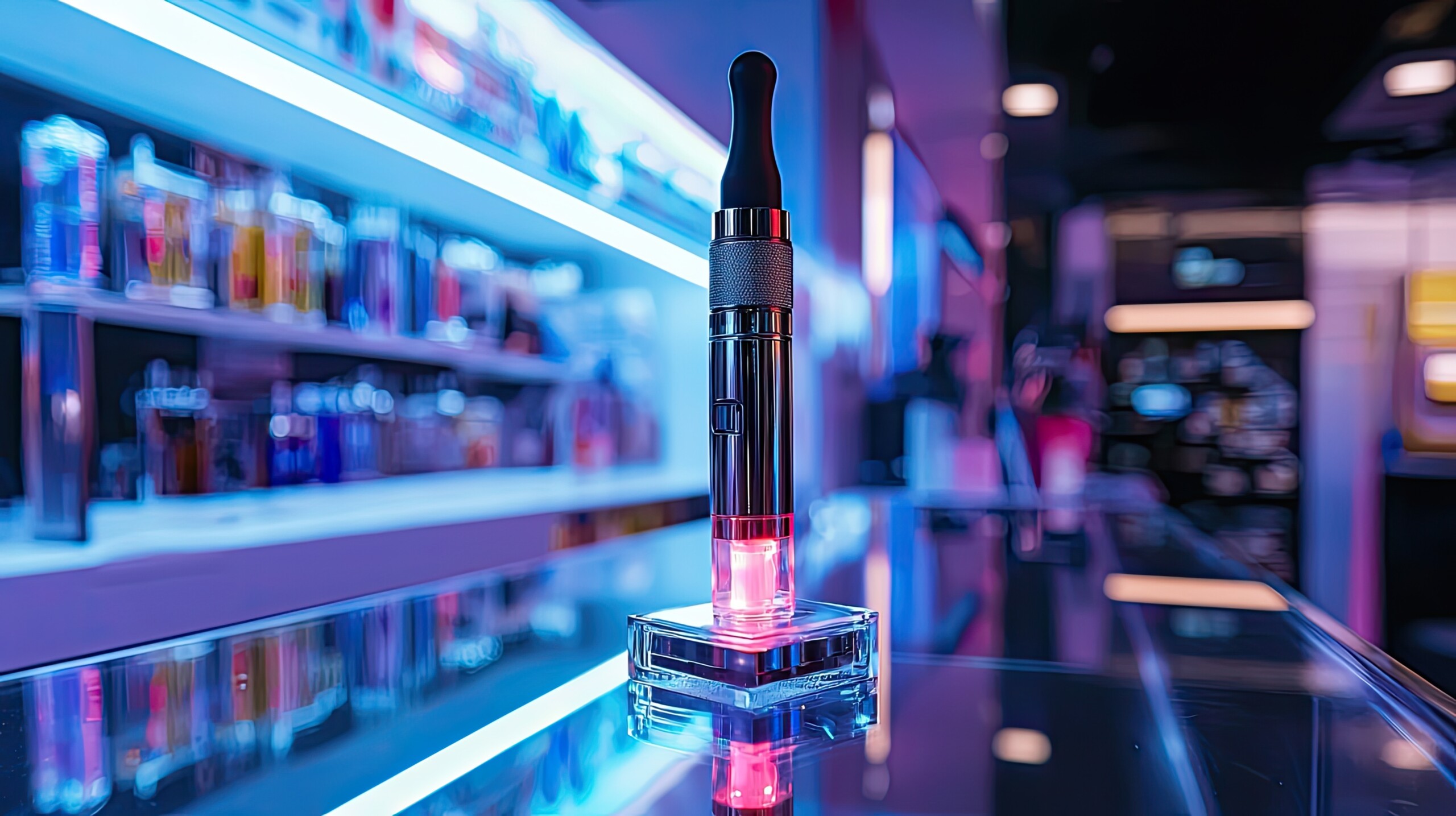
One of the clearest examples of the system catching up with reality is the creation of Category 15. From August 2026, vapes and e-cigarettes become a dedicated WEEE reporting category, with their own separate collection targets set by the Secretary of State for Defra. Previously, these products sat within Category 7 (Toys, Leisure and Sports Equipment), meaning the cost of collecting them was effectively shared across a much broader group of producers. That is changing. It is a signal that the regulatory framework is capable of evolving to reflect new product realities, and it raises a reasonable question: which other fast-growing categories might follow?
Online Marketplaces Are Now in Scope
Since August 2025, online marketplace operators facilitating sales from non-UK sellers to UK households are classified as a new type of WEEE producer. They must register, report tonnage data and finance collection and recycling costs. This is a significant step in closing a gap that had allowed a large volume of EEE to reach UK consumers without any producer compliance attached to it.
The Circular Economy Growth Plan
The government's Circular Economy Growth Plan for England, which is expected to include further WEEE measures, is anticipated later in 2026. While the detail is still to come, the ambitions are clear: producer responsibility is being extended, enforcement is tightening and the expectation is that brands will know their obligations and meet them.
As ERP UK's April 2026 practical guide for producers makes clear, the 2026 framework places significant emphasis on producer responsibility, with expanded definitions, new reporting categories and higher collection targets. The household WEEE collection target for 2026 is set at 532,882 tonnes, an increase of 18,718 tonnes on the previous year. The system is moving in one direction.
For brands in PetTech, BeautyTech, GardenTech, KitchenTech and FitnessTech, the message is the same as it is for any other producer: the framework is evolving, the expectations are rising and the time to get compliant is now, not when a regulator comes knocking.
Wondering about WEEE compliance? What producers should do
If you sell electrical or electronic products in the UK, here are the checks to make:
- Are your products EEE? Check whether your products are EEE under the WEEE Regulations. The gov.uk guidance on EEE categories is a good starting point.
- Are you a producer? If you import products under your own brand, or sell direct to UK consumers you are very likely a producer. Do not wait for a regulator to tell you.
- Are you a small or large producer? All producers need to register – but only those placing more than 5 tonnes per annum on the UK market must do so through joining a producer compliance scheme.
Steps to take:
- Large Producer? Join an approved compliance scheme. Your scheme will help you meet your recycling and reporting obligations.
- Small Producer? You can register direct with the relevant environment agency – or ask a compliance scheme to help you.
- Categorise your products. Your chosen scheme can help you understand the definitions.
- Check for battery and packaging obligations alongside WEEE. These are separate regulatory regimes, but they often apply to the same products.
If you are unsure about any of this, speak to a specialist.
Get all elements of your compliance in order
ERP UK works with fast-growing consumer brands to help them understand whether they are a producer, get registered without disruption and stay compliant as their product ranges evolve.
With International E-Waste Day 2026 shining a light on fast-growing, low-cost electronics waste streams, there has never been a better moment to get your compliance in order. The categories covered in this blog are growing. The regulatory environment is tightening. And the brands that act now will be in a much stronger position than those that wait.
Unsure whether your products fall within scope of the WEEE Regulations? ERP UK can assess your producer obligations, help determine the correct EEE category and support your registration.
Speak to our compliance team today
Our direct e-mail for member enquiries is: ukcompliance@erp-recycling.org
Call us on: +44 (0)20 3142 6452
Follow us on LinkedIn
For all the latest industry news follow us on LinkedIn here:


Share on