
 Member login
Textiles Video
EPR for Textiles video
This video from ERP UK explains why we need to stop,
think and REUSE to reduce textile waste. Everyday textiles
from t-shirts to tea towels become waste after use.
And today, textile waste management matters.
If items are not properly treated and disposed of, they can
harm the environment and our health.
EPR for Textiles
Textiles EPR compliance is reshaping how clothing, footwear, accessories and household textiles are managed at end of life. Across Europe, producers are moving towards registration, reporting and eco-fee obligations designed to fund collection, sorting, reuse and recycling. For UK brands selling into EU markets, this is already a practical compliance priority. In the UK, textiles EPR is not yet mandatory, but industry and policy momentum means producers should prepare now.
Need help with textiles EPR compliance?
Book a textiles EPR readiness consultation with ERP UK to understand your scope, reporting requirements, data gaps and multi-market compliance pathway.
UK textiles EPR status snapshot
Textiles EPR is not yet a mandatory UK obligation. However, UK policy discussions are moving in the same direction as the EU. WRAP and UK Textiles Pact stakeholders published a blueprint in January 2026 calling for a mandatory UK scheme, and sector bodies are pushing for a model that funds collection, sorting, reuse and recycling infrastructure. For UK producers selling into Europe, EU obligations are the immediate priority; for domestic UK operations, early readiness will reduce future cost, data and operational risk.
What is textiles EPR?
Textiles EPR is an environmental policy that makes producers financially and, in some markets, operationally responsible for what happens to textile products when they become waste. The core objective is to shift part of the cost of collection, sorting, reuse and recycling away from municipalities and taxpayers and towards the businesses placing textiles on the market.
Important positioning point
EPR should not be treated as a standalone regulation. It needs to sit within a wider operating model covering product design, data, sourcing, procurement, supply chains and end-of-life circularity strategy. EPR is a structural market shift that will impact cost, risk, reputation and access to the market.
Why act now?
- EU Member States must transpose the revised Waste Framework Directive into national law and establish textiles EPR schemes within defined implementation windows
- Separate collection of textile waste has been required across EU Member States since 1 January 2025, accelerating national infrastructure and enforcement activity
- Product scope, registration processes, reporting formats and fee structures will vary by country, creating complexity for multi-market sellers
- Strong product and sales data will become a commercial advantage, helping producers manage fees, demonstrate compliance and prepare for eco-modulation
Contact us today:
- Tel: +44 (0)20 3142 6452
- E-mail: uk@erp-recycling.org
Who needs to comply?
You may be a textiles EPR producer if you place textile, textile-related or footwear products on a national market for the first time.
This can apply to businesses of all sizes, subject to final national thresholds and exemptions.
- Manufacturers supplying products under their own name or trademark
- Importers or suppliers placing products on the market for the first time
- Resellers supplying products under their own name where the original manufacturer name is not present
- Distributors in certain circumstances, depending on national rules
- Distance sellers and ecommerce businesses selling directly to consumers in EU Member States from another Member State or a third country
Free Textiles EPR Fact Sheet for UK Producers:
Download our free fact sheet for a practical overview of upcoming Textiles EPR requirements, producer responsibilities and key compliance considerations.
Marketplace rule of thumb
Do not assume an online marketplace will handle textiles EPR for you. In most cases, the responsible party is the entity placing the product on the market. Marketplace obligations are increasingly focused on verifying registration information and enforcing compliance, not replacing the producer obligation.
Products likely to be in scope
| Category | Examples |
|---|---|
| Apparel and clothing | Garments, fashion items, workwear where covered by national scope |
| Footwear | Shoes, trainers and related footwear products |
| Household textiles | Bed linen, curtains, towels, blankets and similar textiles |
| Accessories | Bags, wallets and similar textile-based accessories where included |
| Other textile-based products | National schemes may include mattresses, carpets, rugs or other categories, so country-by-country checks are essential |
What are the obligations?
- Confirm which products, markets and legal entities are in scope
- Register with national authorities or a Producer Responsibility Organisation (PRO), where required
- Report placed-on-market data by product type, volume, weight and material composition in the required format
- Pay EPR fees, typically linked to product type, volumes and, increasingly, sustainability or recyclability criteria
- Maintain auditable records for reporting, invoicing and compliance evidence.
- Support consumer information, collection, sorting, reuse and recycling systems through producer-funded fees
Why country-by-country compliance is difficult
Textiles EPR is moving towards a common EU framework, but national legislation will still shape the practical details. Lack of harmonisation can mean different scope definitions, reporting cycles, data fields, fee calculations and PRO arrangements. A producer selling in several countries may otherwise need to manage multiple registrations and several PRO relationships per market.
What is a compliance scheme?
A Producer Responsibility Organisation (PRO) is an organisation set up to help producers meet legal environmental obligations under producer responsibility or extended producer responsibility regulations.
How ERP UK can help
ERP UK and the wider ERP/Landbell Group help producers reduce complexity, improve data visibility and prepare for textiles EPR across multiple markets. The approach is designed to make compliance practical while supporting broader circularity goals.
| Client challenge | ERP UK support | Outcome |
|---|---|---|
| Multiple country obligations | One coordinated point of contact across relevant regions, supported by local market knowledge | Less fragmented compliance management |
| Unclear scope and thresholds | Scope mapping for products, sales channels and legal entities | Clear action plan and reduced compliance risk |
| Data readiness | Data gathering, reporting support and streamlining through ERP/Landbell capability including H2 Compliance data services | Better POM data quality and operational visibility |
| Future fee exposure | Preparation for eco-fee and eco-modulation requirements | Earlier cost control and more informed product decisions |
| Circularity expectations | Strategic support connecting compliance with end-of-life, reuse and recycling objectives | Compliance becomes a strategic advantage, not just an admin burden |
Capability proof points to feature on the page: ERP/Landbell Group is active in textiles EPR and PRO development, including textiles PRO activity in the Netherlands and California, with data support services that can help streamline reporting in markets such as France and Italy and support UK readiness as requirements develop.
Additional data proof point: position ERP UK data support as a practical first step for producers that are not ready for full multi-market implementation yet. Reference ERP/Landbell reporting and data management capability, including Circul8 / Data Services, where appropriate, to help producers build reliable POM data before deadlines arrive.
Book a textiles EPR readiness consultation
Selling clothing, footwear, accessories or household textiles into Europe? ERP UK can help you map your obligations, understand your data gaps and build a practical compliance pathway before deadlines arrive.
- Book a textiles compliance consultation
- Find out if your business is in scope
- Request a multi-market compliance assessment
- Download the Textiles EPR Explained factsheet
Make an enquiry today
If you would like to find out more about EPR for textiles Services and the benefits ERP can offer your business,
please complete our enquiry form:
FAQ
NEWS
Latest Textiles news
Keep up to date with the latest EPR for textiles news from ERP UK
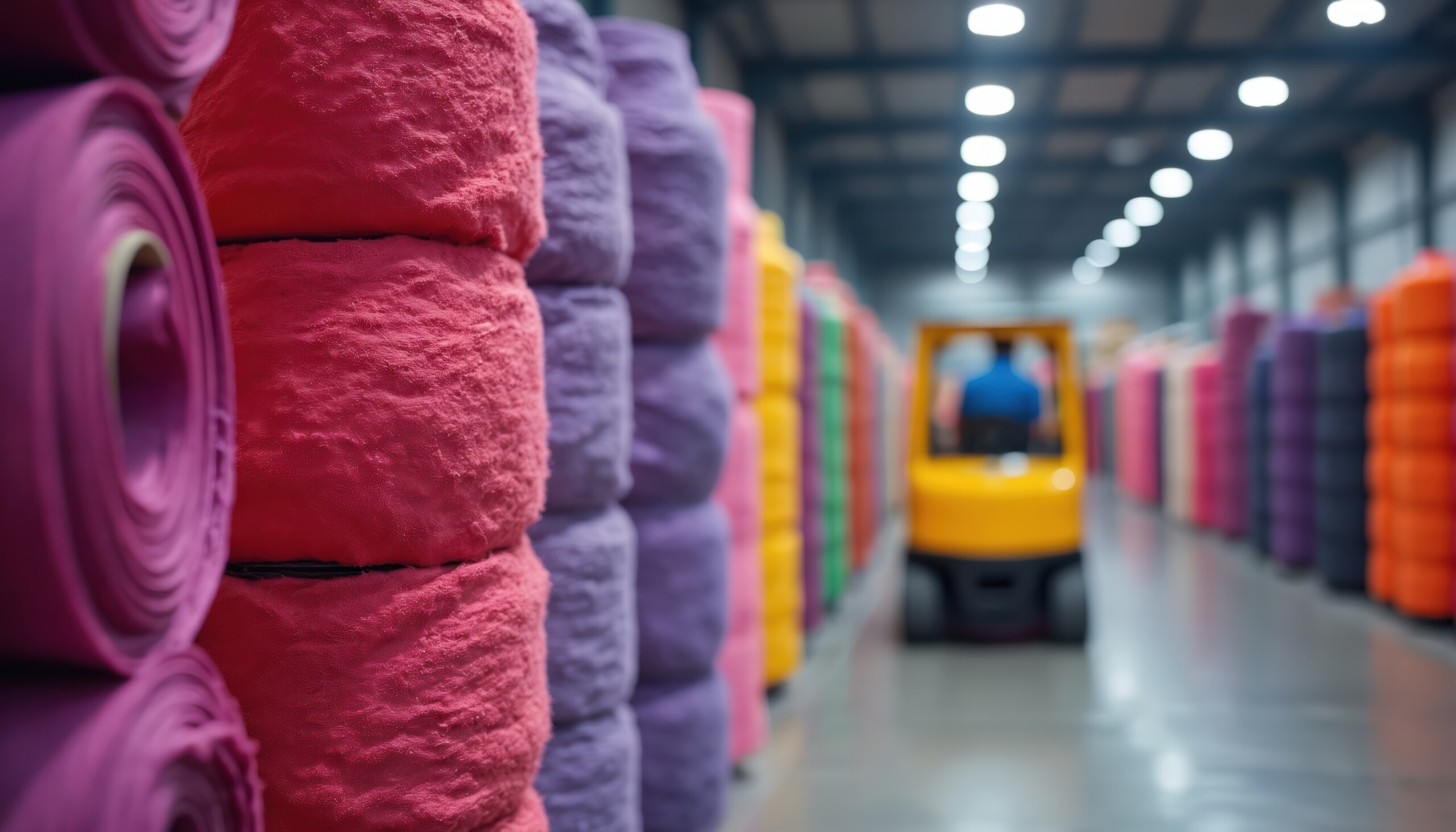
News
July 31st, 2026
ERP UK has joined the UK Textiles Pact, a leading industry initiative convened by WRAP to accelerate the transition
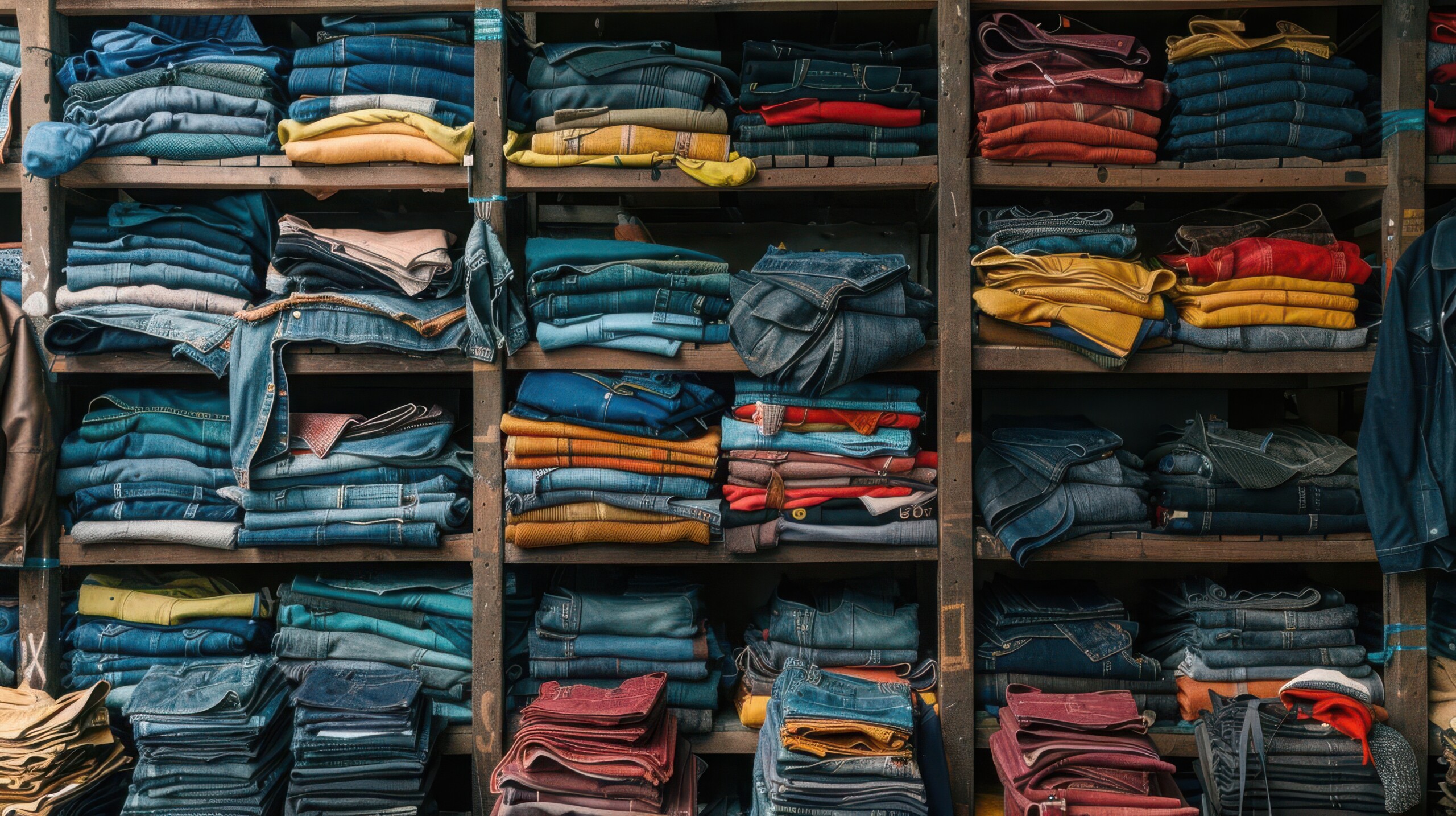
News
June 17th, 2026
The EU ban on unsold clothing marks a major shift for the fashion industry, with new rules coming into

News
April 9th, 2026
Textile Extended Producer Responsibility (EPR) is accelerating globally. In March 2026, California became the first US state to formally
Contact details
- Tel: +44 (0)20 3142 6452
- E-mail: – uk@erp-recycling.org
Related services
Visit our packaging, WEEE and batteries compliance web pages for related services. ERP provides simple pricing and great customer service, reducing the complexity of compliance.


Takeback Services
WEEE Takeback – We provide customers with takeback services for waste electrical and electronic equipment. It can be a one-off collection or routine collections.
Waste batteries collection and treatment – We provide customers with takeback and treatment services for all types of waste batteries. It can be a one-off collection or routine collections.
Landbell Group
ERP is part of the Landbell Group – the leading global supplier of environmental and chemical compliance solutions.
Find out more at: www.landbell-group.com


