Member login
UK Textiles EPR: Reverse Logistics, Costs and Compliance
UK Textiles EPR will accelerate the transition to a more circular and sustainable fashion industry. Across the apparel manufacturing sector, brands have already made significant progress in improving product durability, increasing the use of mono-materials, enhancing supply chain transparency and traceability, and prioritising lower-impact fibres and next-generation recycled materials. Much of this progress has been voluntary, driven by customer expectations and a growing recognition that future Textiles EPR compliance requirements will make unsustainable business practices increasingly costly, both financially and reputationally.
In this follow-up blog, we explore the reverse supply chain behind circular fashion, the financial realities of Textiles EPR compliance, and the investment required to support a more sustainable textile sector. We also look at how ERP UK can help obligated companies prepare for UK Textiles EPR and navigate the transition towards responsible fashion with confidence.
Why UK Textiles EPR will accelerate industry change
UK Textiles EPR will accelerate the transition to a more circular and sustainable fashion industry. Across the apparel manufacturing sector, brands have already made significant progress in improving product durability, increasing the use of mono-materials, enhancing supply chain transparency and traceability, and prioritising lower-impact fibres and next-generation recycled materials. Much of this progress has been voluntary, driven by customer expectations and a growing recognition that future Textiles EPR compliance requirements will make unsustainable business practices increasingly costly, both financially and reputationally.
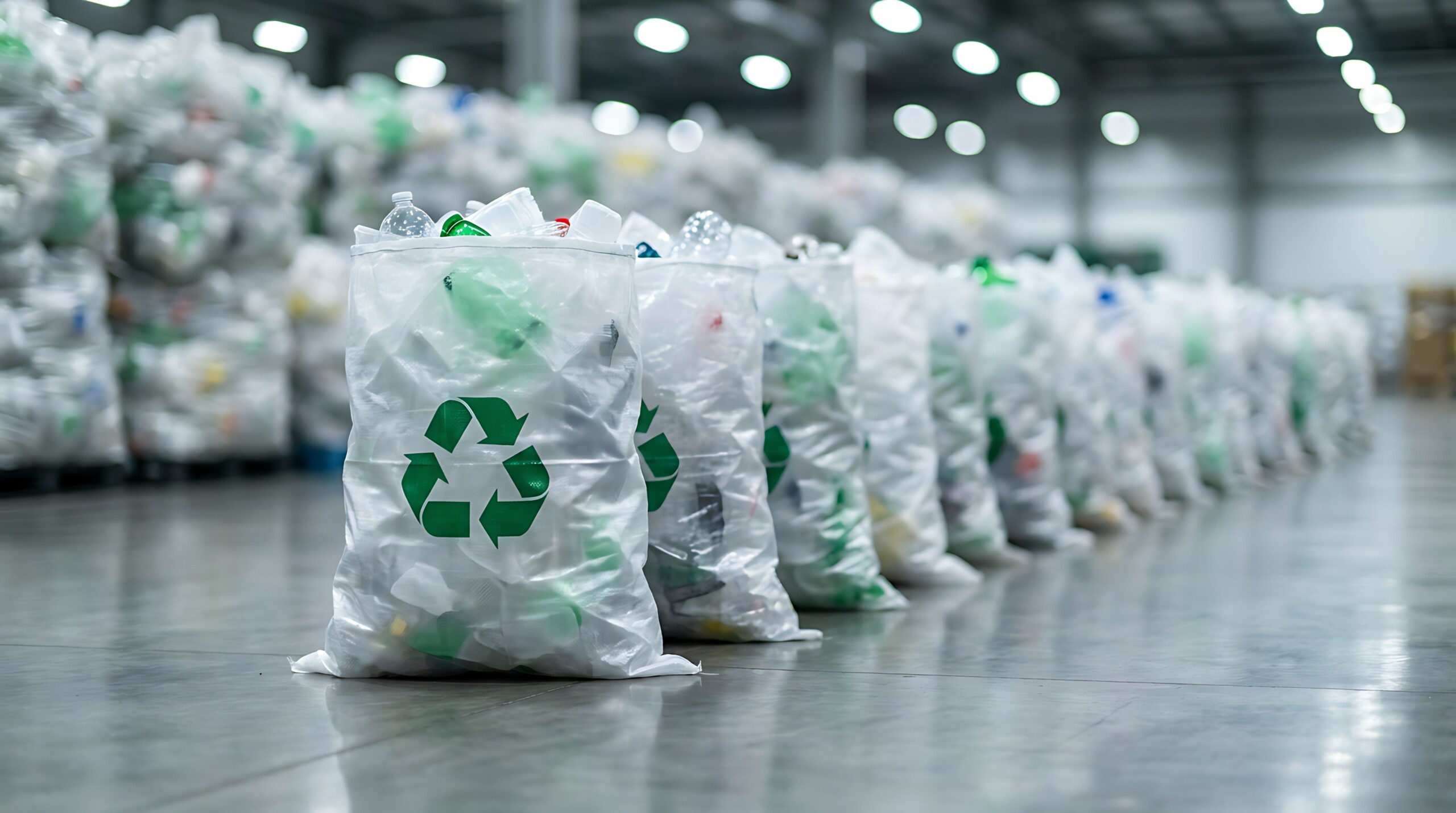
However, voluntary action alone will not deliver the scale of change required. The transition to a circular textile economy will require significant investment in the collection, sorting, recycling and reverse supply chain infrastructure that does not yet exist at the scale needed across the UK and Europe.
This is where legislation becomes critical.
To recap: As of 2026, mandatory Textiles EPR is already in effect in France, the Netherlands, Hungary, Latvia, Sweden, South Korea and California (USA). The rest of the EU will follow by 2028. The UK is expected to align with key aspects of EU legislation to support interoperability with one of its largest trading partners.
Clear rules, consistent guidance, meaningful incentives and effective enforcement create the certainty needed to unlock investment and accelerate action across the entire textile value chain. That is what the sector needs now: clarity, confidence and a practical framework capable of driving progress at scale.
Preparing for UK Textiles EPR compliance
At ERP UK, we are working alongside stakeholders from across the value chain to help shape the future of textiles EPR. Through industry collaborations, we are helping define practical and measurable criteria for durability and recyclability, which will form the foundation of eco-modulated fees. Our goal is to ensure these requirements are clear, achievable and capable of being operationalised by brands and producers in the real world.
We are also committed to supporting SMEs and manufacturers on this journey, providing the data services, guidance and expertise they need to prepare for forthcoming textiles EPR legislation and confidently meet their future obligations.
UK producers building these capabilities now gain operational advantages beyond regulatory compliance.
Better product data improves inventory management and reduces waste. Take-back programmes create customer touchpoints and loyalty opportunities. Circular design reduces material costs and appeals to environmentally conscious consumers.
ERP UK Ltd sits at the intersection of government legislation, producers and their supply chains and the reverse logistics and facilities for effective recycling infrastructure in the country. Early engagement will ensure that they are ready.
We are your partners who will calm the complexity and simplify the compliance with the legislation. We will provide an effective and operational reverse supply chain which is ready to effectively manage your textile waste. And we will ensure that your efforts to make your textile consumption more circular happens at an accelerated pace. We take the pain points away from you and manage them for you. This includes our proven data services that form an important part of what we offer.
We are already engaged with innovative technologies like AI-powered Automated Sorting Technologies. We’re engaging with supporting new business models like Repair and Reuse to keep textiles out of the bin for longer. The EU’s Digital Product Passport (DPP) Registry is already taking shape and it will go a long way in enabling the infrastructure and ‘one source of truth’ auditable data to empower some of these automated solutions too.
We are engaging with larger brands and SMEs to help them in this journey, as well as with the Global South and other manufacturers who are the key changemakers in this transition.
Inaction while waiting for final legislation means you might face rushed timelines later and higher implementation costs, as well as missing opportunities to influence how schemes operate. Early engagement with compliance providers, industry bodies and government will help shape the practical reality of how textiles EPR works, ensuring producers’ voices inform workable solutions.
Building a reverse supply chain for circular fashion
Traditional retail operates on a linear model: manufacture, distribute, sell. Textiles EPR demands transformation into circular systems that accommodate collection, sorting, reuse and recycling flows.
This is where investment in digital capabilities become essential. RFID tags, QR codes and product identifiers are transitioning from supply chain efficiency tools to reverse logistics necessities. DPP will provide the framework and the tools for authentic and practical data to empower these tools. Together, they will enable tracking of products through their entire lifecycle, facilitating sorting, authenticity verification and material recovery.
For many businesses, this is unfamiliar territory. The infrastructure, partnerships and processes required for effective reverse logistics differ significantly from traditional retail operations. Success in improving supply chain visibility will require close and trusted communication and collaboration with a great many suppliers throughout the long and complex fashion supply chain.
Of course, for UK distributors selling into EU markets, compliance obligations already exist. Building capabilities now serves both current EU requirements and a future UK scheme.
The Cost of UK Textiles EPR Compliance
Central to tEPR is the principle that funds will be raised to cover the costs of collecting, sorting, and reusing or recycling end-of-life clothing. The EU is strongly committed to this circular model. It has been estimated that a comprehensive EU-wide textiles EPR scheme could generate €3.5 to 4.5 billion annually to support investment in collection and recycling infrastructure. This would represent a major boost to circular economy capabilities, while also creating substantial market opportunities for organisations well positioned to take part.
Non-compliance carries its own costs: financial sanctions, back-dated fees and reputational damage. More subtly, businesses that fail to adapt, risk losing market access as retailers and platforms increasingly require supplier compliance with environmental regulations.
How ERP UK Can Help You Prepare for UK Textiles EPR
This is complex territory, but you don't need to navigate it alone. ERP UK brings proven expertise in Extended Producer Responsibility compliance, backed by the international capabilities of the Landbell Group.
Our colleagues already support operational textiles EPR schemes in the Netherlands (since 2023) and Italy (since 2025), developing the reverse supply chains essential for a circular textile economy. This experience across multiple European markets provides invaluable insights into what works, what challenges to anticipate and how to build efficient compliance processes.
We offer:
- International expertise: Drawing on Landbell Group's pan-European network to provide insights from markets where tEPR is already operational
- Bespoke support: Tailored guidance for your specific business model, whether you're a manufacturer, importer or retailer
- Data solutions: Systems and processes for the accurate collection, validation and reporting that compliance demands
- Strategic planning: Help positioning tEPR as a competitive advantage rather than just a compliance burden
- Ongoing updates: Regular newsletters, webinars and events keeping you informed as UK policy develops
Since 2002, ERP has helped thousands of companies navigate EPR compliance across multiple countries and product categories, facilitating the recycling of millions of tonnes of waste electricals, packaging and batteries. We're applying this proven methodology to textiles as the sector undergoes its own EPR transformation.
Ready for UK Textiles EPR? Start Preparing Your Business Today
The textile industry's transition to Extended Producer Responsibility represents significant change, but it is change with purpose. By placing responsibility with those who design, manufacture and sell textile products, UK Textiles EPR creates incentives for better environmental outcomes while building the infrastructure needed to support a genuinely circular economy.
Whether you're a clothing manufacturer developing future product ranges or a retailer managing complex supply chains, the time to prepare for Textiles EPR compliance is now. Early preparation, strategic planning and expert partnerships can help businesses reduce risk, improve operational readiness and turn future compliance requirements into competitive advantages.
Businesses that start preparing for UK Textiles EPR today will be better placed to manage future compliance costs, strengthen supply chain visibility, improve product data quality and respond confidently when new regulations are introduced.
ERP UK combines over 20 years of producer responsibility expertise with the international capabilities of Landbell Group, which is already supporting and operating Textiles EPR schemes across Europe. Our specialists can help brands, retailers, manufacturers and importers understand their obligations, identify potential gaps and develop a practical roadmap for future compliance.
Get Started Early to Be Ready on Time
Book a UK Textiles EPR consultation with ERP UK to:
- Understand your potential Textiles EPR obligations
- Assess your readiness for future compliance requirements
- Improve product data and reporting capabilities
- Prepare for reverse supply chain and circularity challenges
- Learn from operational Textiles EPR schemes already active in Europe
Speak to ERP UK's Textiles EPR specialists today 👉 Contact ERP UK
ERP UK contact details
Telephone: +44 (0)20 3142 6452
E-mail: uk@erp-recycling.org

Share on