Member login
WEEE Regulations: What you need to know
If you’re manufacturing, importing, or distributing electrical products in the UK, you’ve probably heard about the WEEE regulations
WEEE regulations made simple: What you need to know
If you're manufacturing, importing, or distributing electrical products in the UK, you've probably heard about the WEEE regulations. When faced with legalese and complexity, understanding compliance can feel like wading through treacle. However, the good news is, it doesn't have to be complicated. We break down the regulations for you in this blog, so you can keep track of what you need to be aware of.
Why should you care about WEEE regulations?
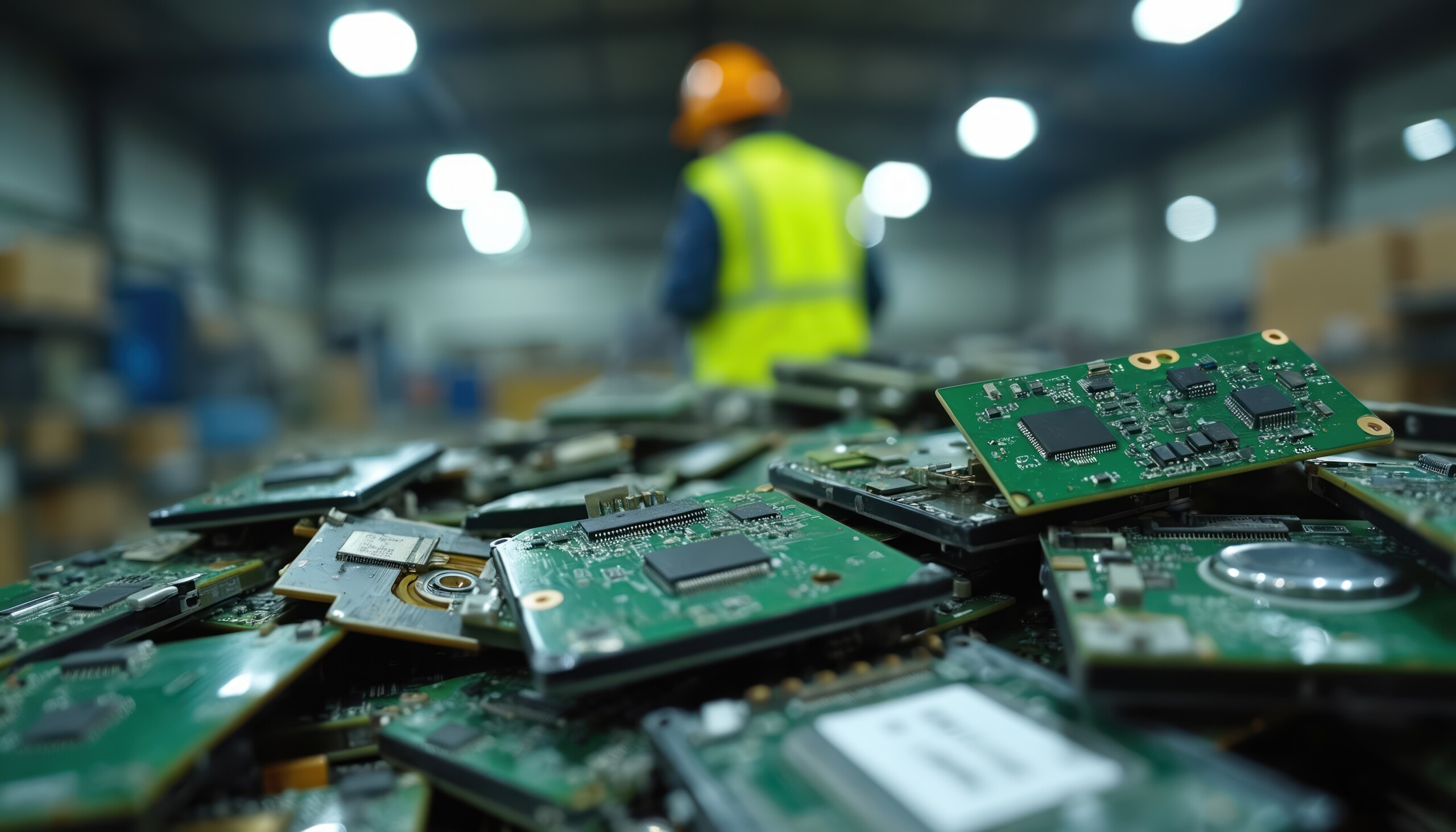
This isn't just bureaucratic box-ticking. Those old phones, laptops and appliances often contain some pretty nasty stuff - lead, mercury, cadmium - chemicals you definitely don't want leaching into soil or water.
Every time you ensure a product meets WEEE regulation standards, you're actually helping keep these toxins out of landfill and nature’s ecosystems. Whether you’re placing a single product or thousands on the market, your commitment plays a vital role in protecting the environment and building a cleaner, healthier future for everyone.
That is where we come in. WE make the compliance process smoother so you can do your part without it taking over your business life. At ERP UK we help businesses like yours handle this regulatory landscape without the headaches. Think of us as your compliance partners who make sure everything's sorted so you can focus on what you do best.
So, what are your legal responsibilities?
If you put electrical or electronic equipment (EEE) on the UK market, whether you're making it, importing it, or incorporating it into your products, you're what's called a "producer" under UK regulations.
Here's what that means for you:
- Registration is a must: Handling more than 5 tonnes of EEE annually? You'll need to join a Producer Compliance Scheme (that's where we come in). Smaller producers can register directly with environmental regulators.
- Your products need proper markings: That crossed-out wheeled bin symbol? It needs to be on there, along with a date mark. It's how consumers know not to throw your products in with their regular rubbish.
- Within a year of market placement, you need to provide details about how your products can be reused or safely treated.
- Maintain documentation for at least four years showing how much EEE you've placed on the market.
*Skipping these steps could see you face penalties, reputational damage and let's not forget the environmental impact.
What types of equipment are covered by the WEEE regulations?
Products with a plug or a battery are grouped into different categories.
Each category has its own collection and recycling targets, which can make compliance a bit of a puzzle if you're handling multiple product types.
WEEE regulation changes are coming
The WEEE world is evolving and there are some key changes on the horizon you should know about
1. Vapes to get their own category
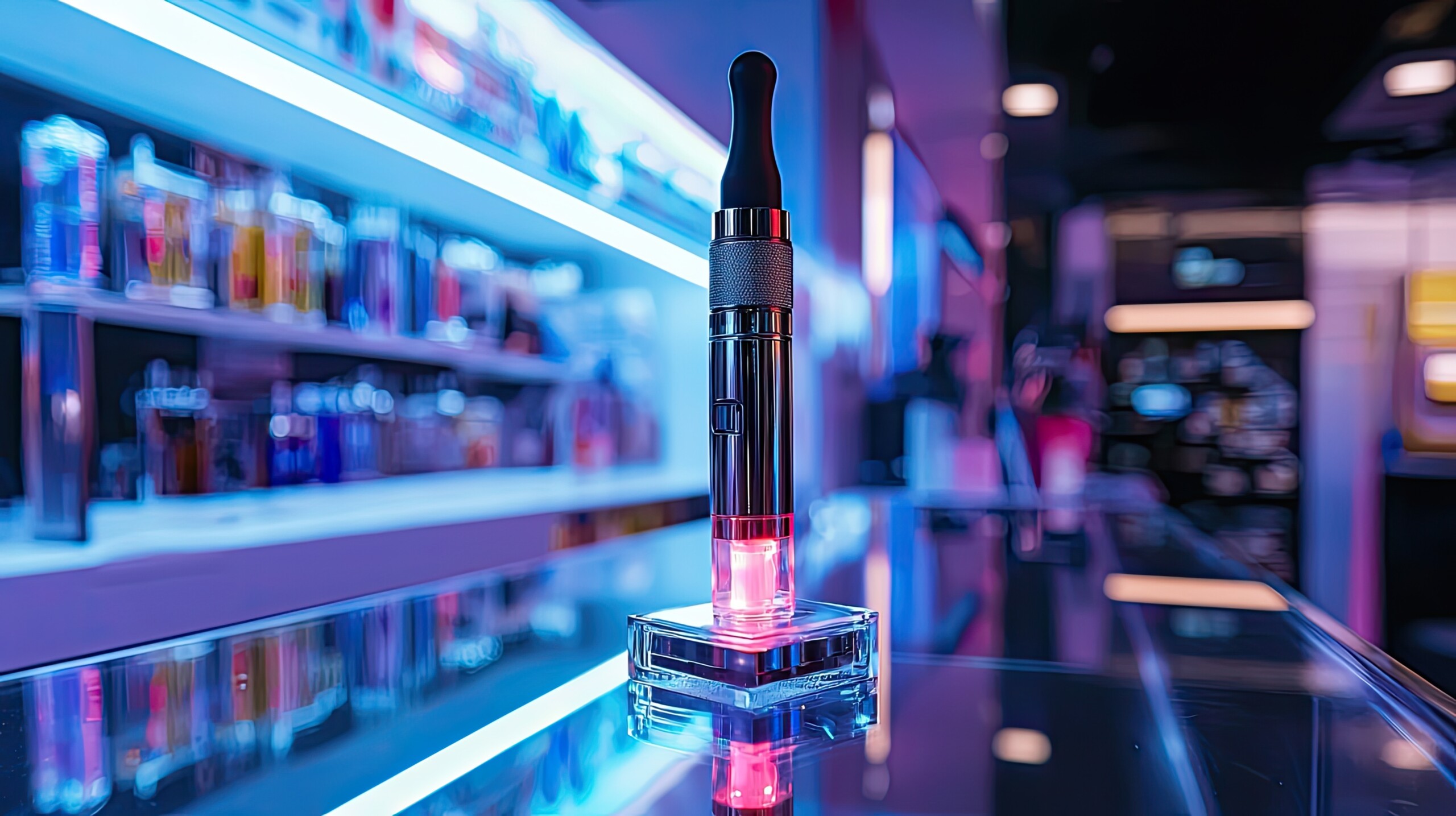
Vapes and related products are set to have their own dedicated category under the WEEE regulations. If you're in this space, you'll have specific compliance obligations with collection targets expected to kick in from 2026.
2. Online marketplaces face new responsibilities
If you're an online marketplace facilitating sales from overseas sellers, get ready. You'll soon need to:
- Join a UK compliance scheme
- Report all EEE sales data
- Contribute financially to collection and recycling
3. Producer definition is changing for overseas sales
Expected this year (2025), non-UK businesses selling EEE indirectly to UK distributors won't be classed as producers anymore. Instead, the first UK-based entity placing the product on the market will carry those responsibilities.
The key regulations you should know about
To understand WEEE compliance, get to know these key regulations:
- The Waste Electrical and Electronic Equipment Regulations 2013: Covers your basic obligations as a producer
- The Restriction of the Use of Certain Hazardous Substances in Electrical and Electronic Equipment Regulations 2012: Limits the use of hazardous substances in your products
- The General Product Safety Regulations 2005: Ensures your products meet safety standards
How ERP UK can make your life easier
Dealing with WEEE regulations probably isn't part of your core business. But it is ours. Beyond legal compliance, this is about responsible business practice. Your products need to be designed safely, labelled correctly and disposed of responsibly at end-of-life.
At ERP UK, we make compliance straightforward by:
- Helping you understand your obligations, so you know exactly what applies to your business.
- Managing practical aspects of compliance, including waste battery collection, treatment and reporting.
- Keeping you up to date with regulatory changes, ensuring you remain compliant as legislation evolves.
We act as your compliance partner, not just as a service provider, ensuring you meet your responsibilities without unnecessary headaches or stress.
Related services:
If you would like to learn more about Batteries compliance visit our webpage here:
About ERP UK
To learn more about ERP UK and our services please visit our About page
Contact us today:
Telephone: +44 (0)20 3142 6452
E-mail: uk@erp-recycling.org
Follow ERP UK on LinkedIn here:


Share on